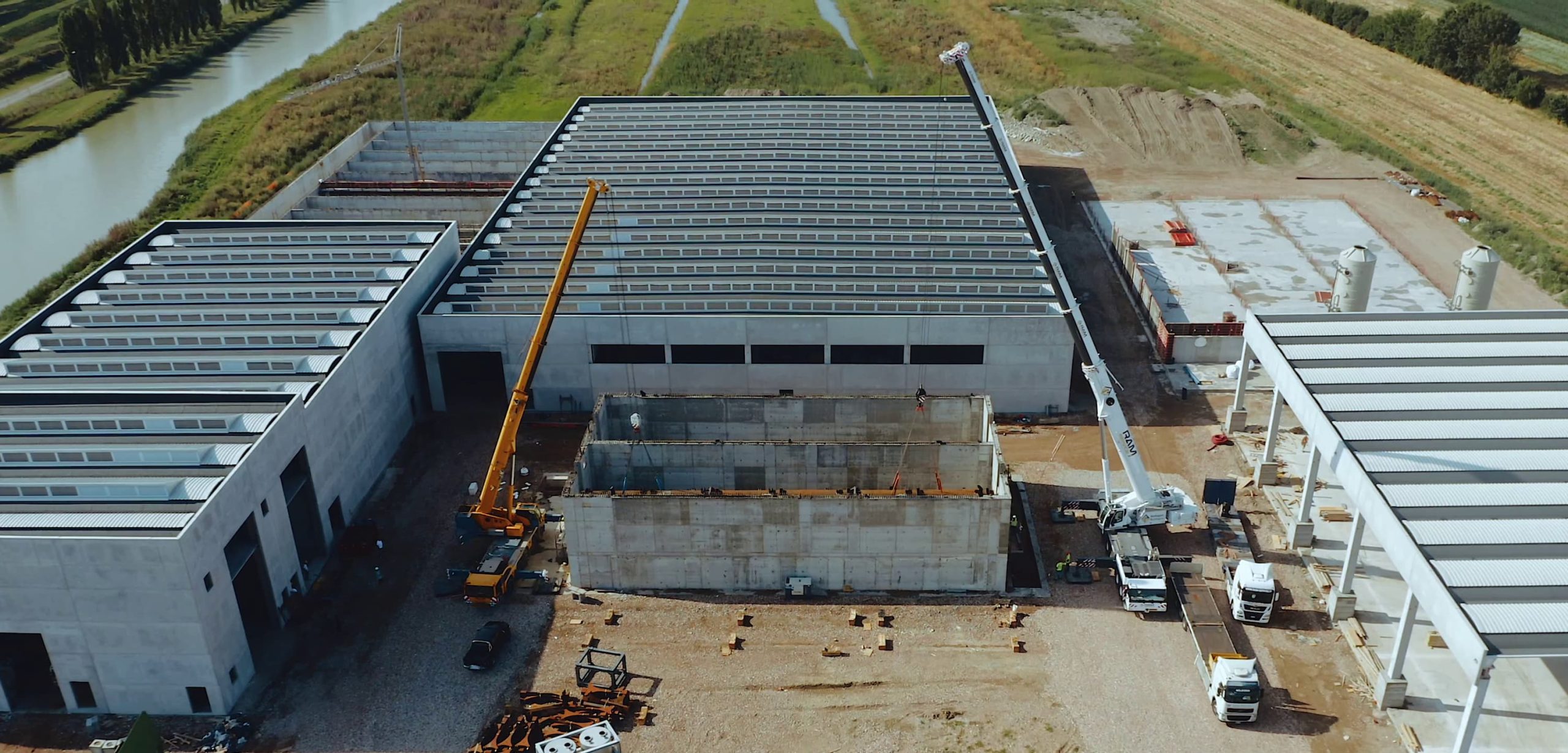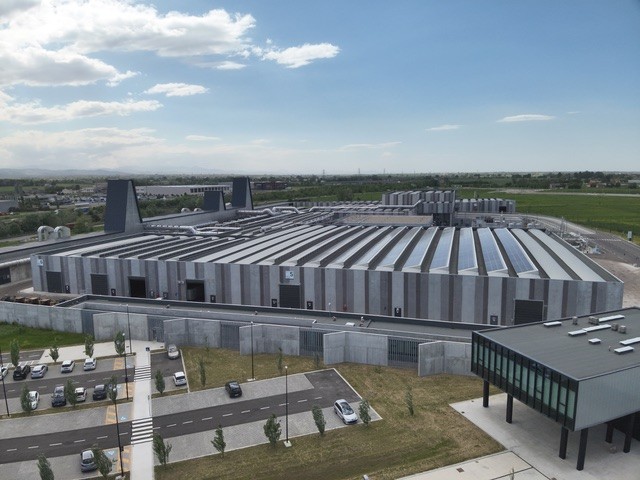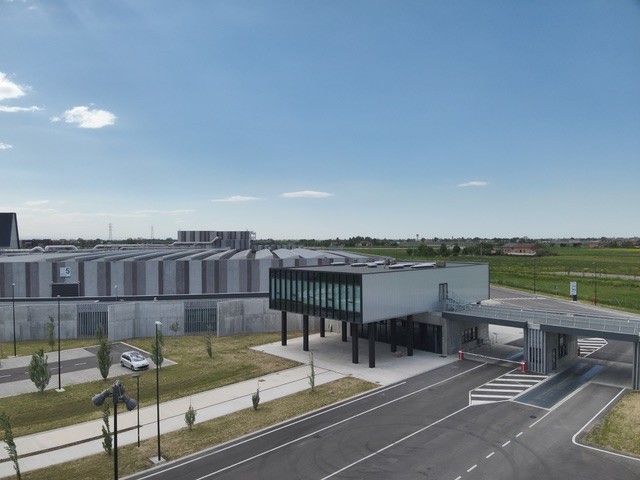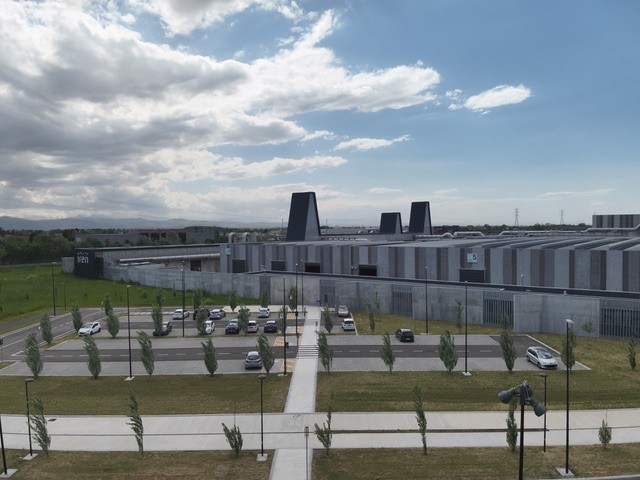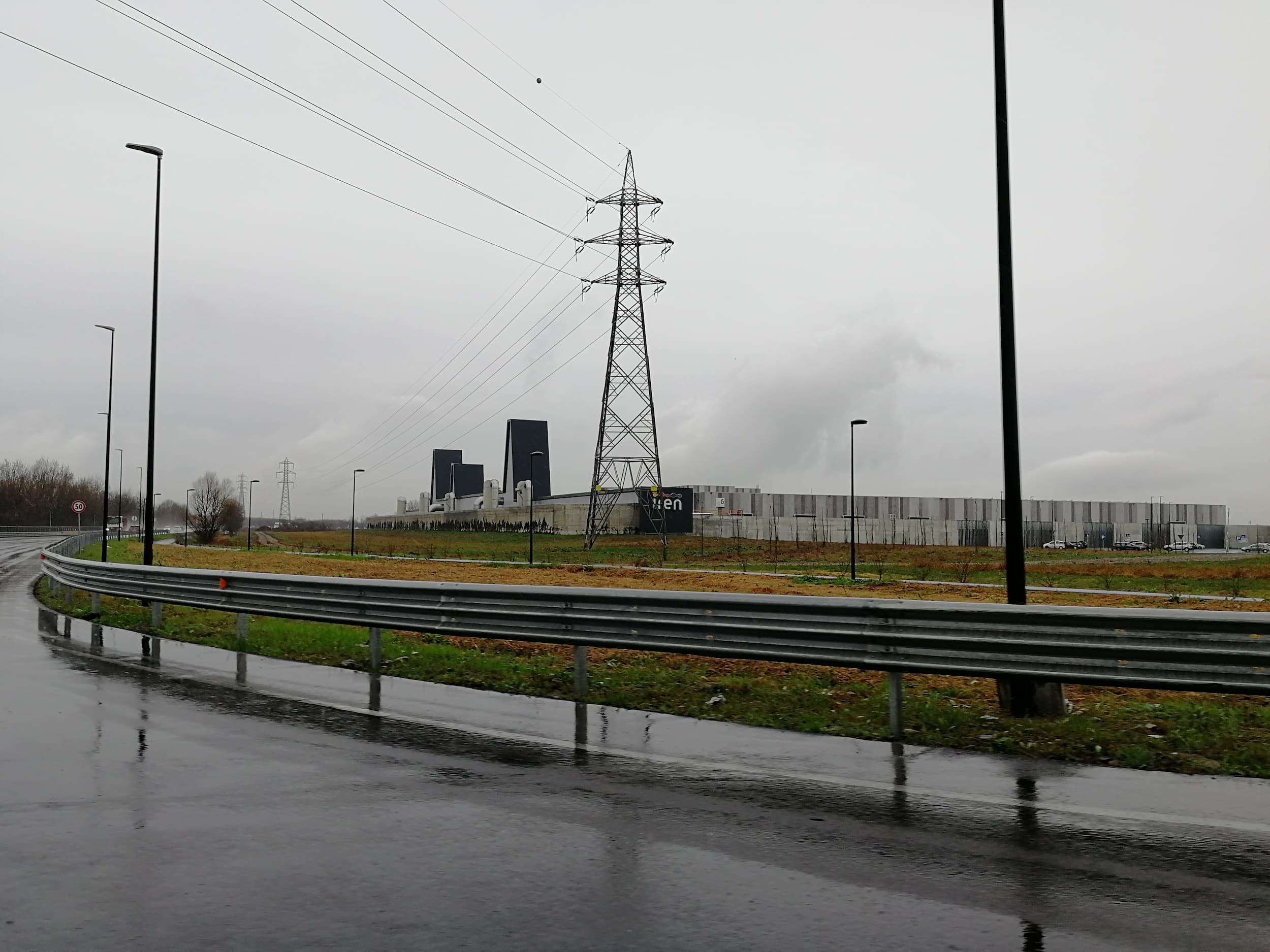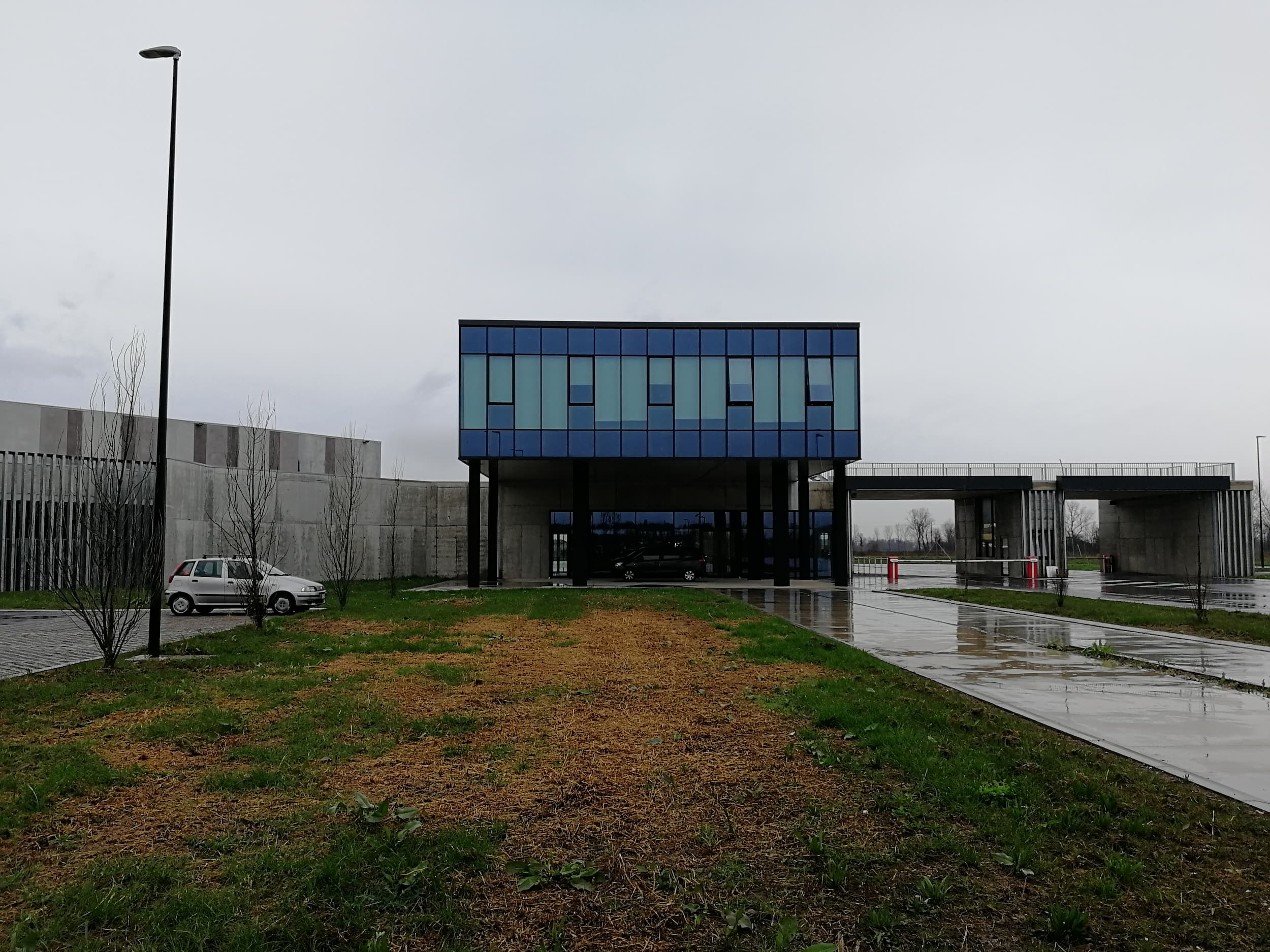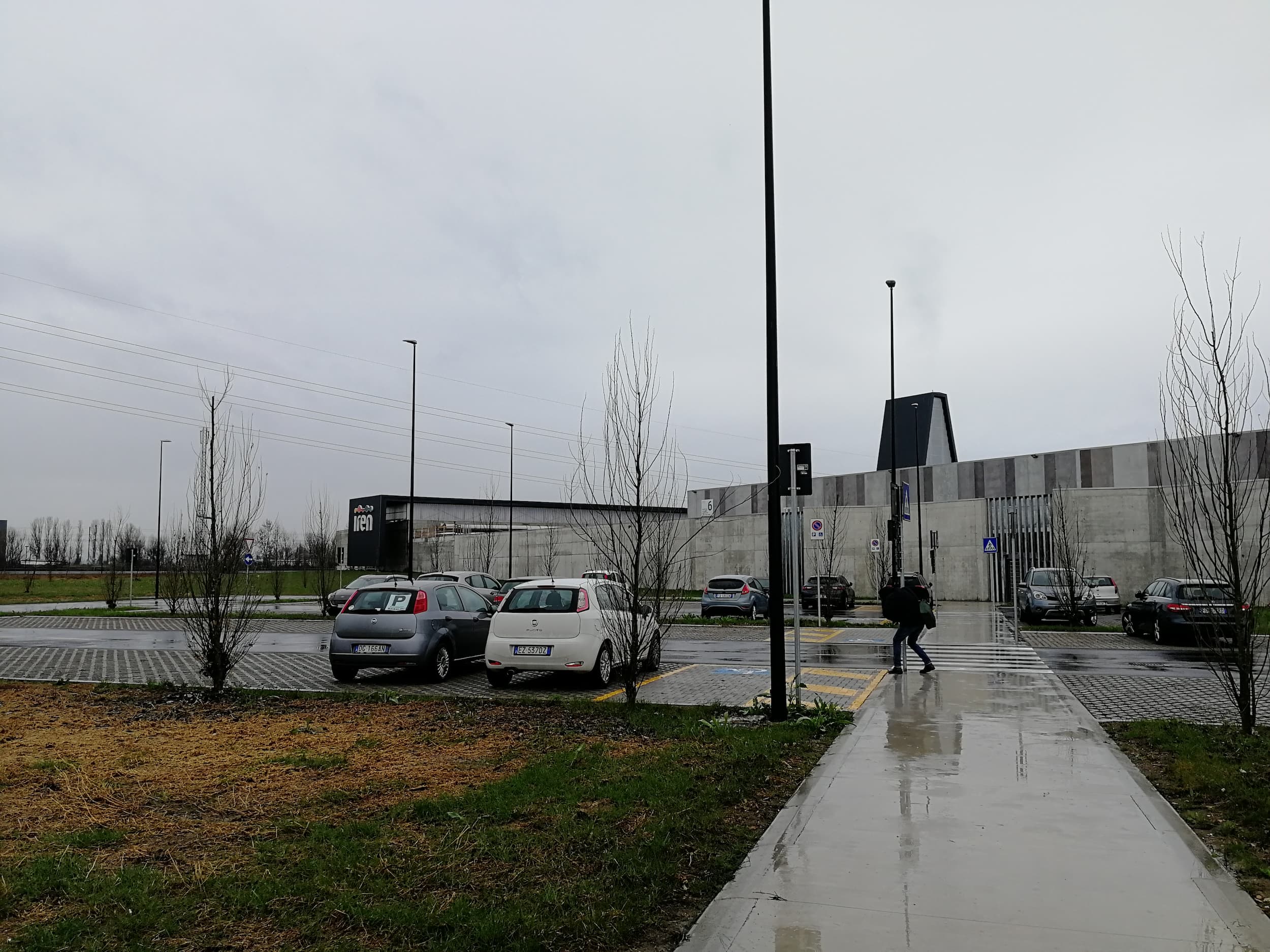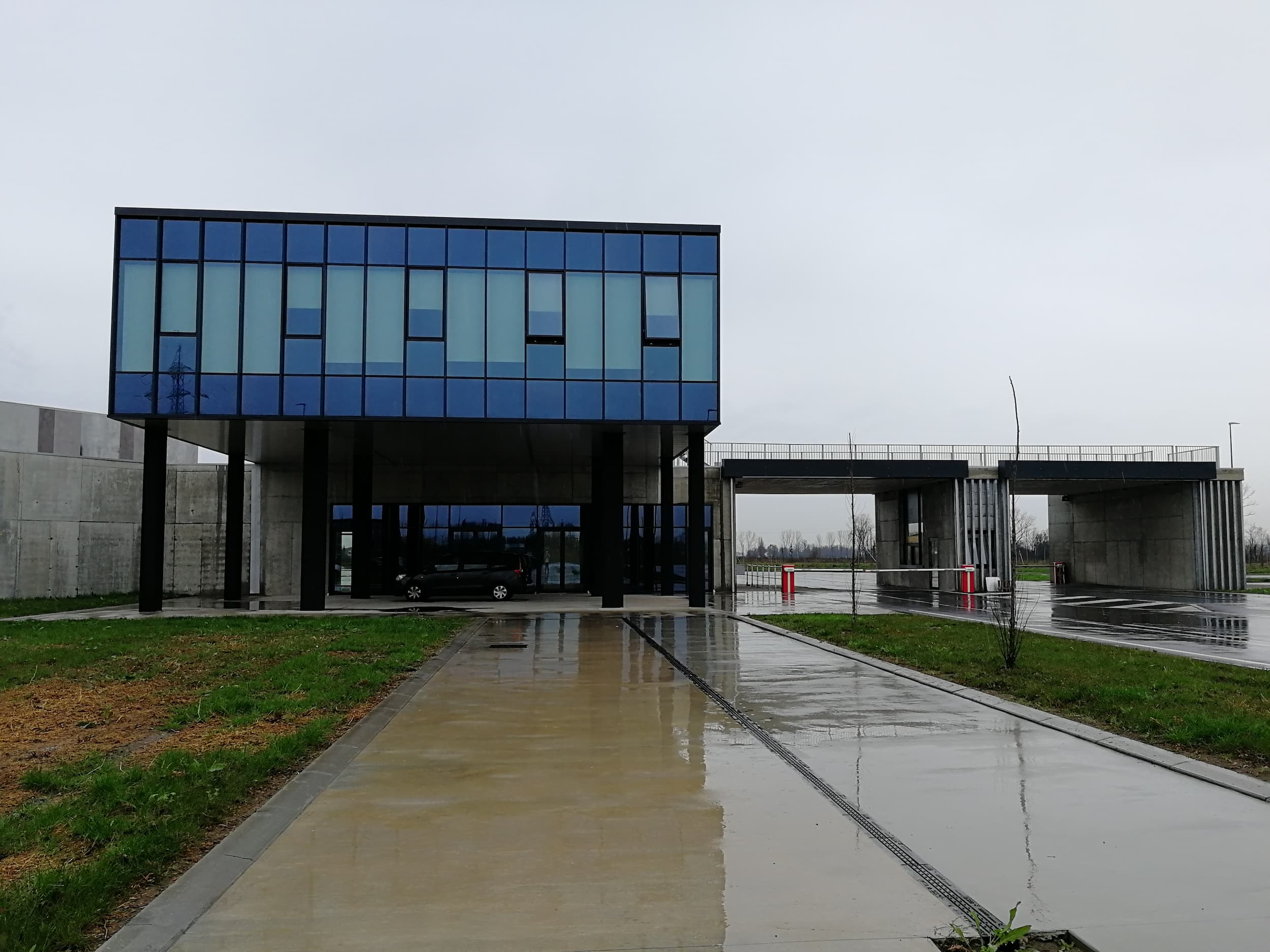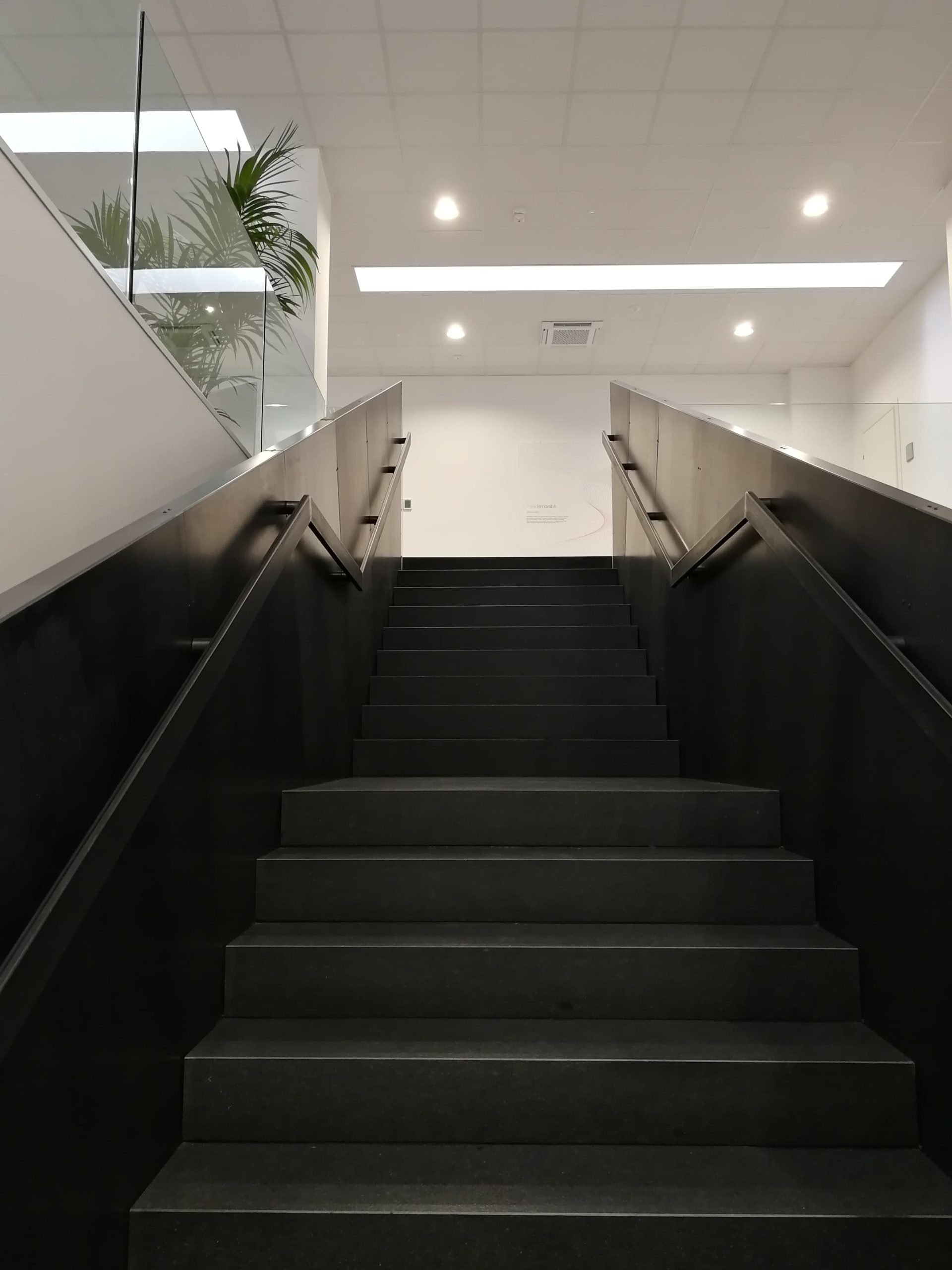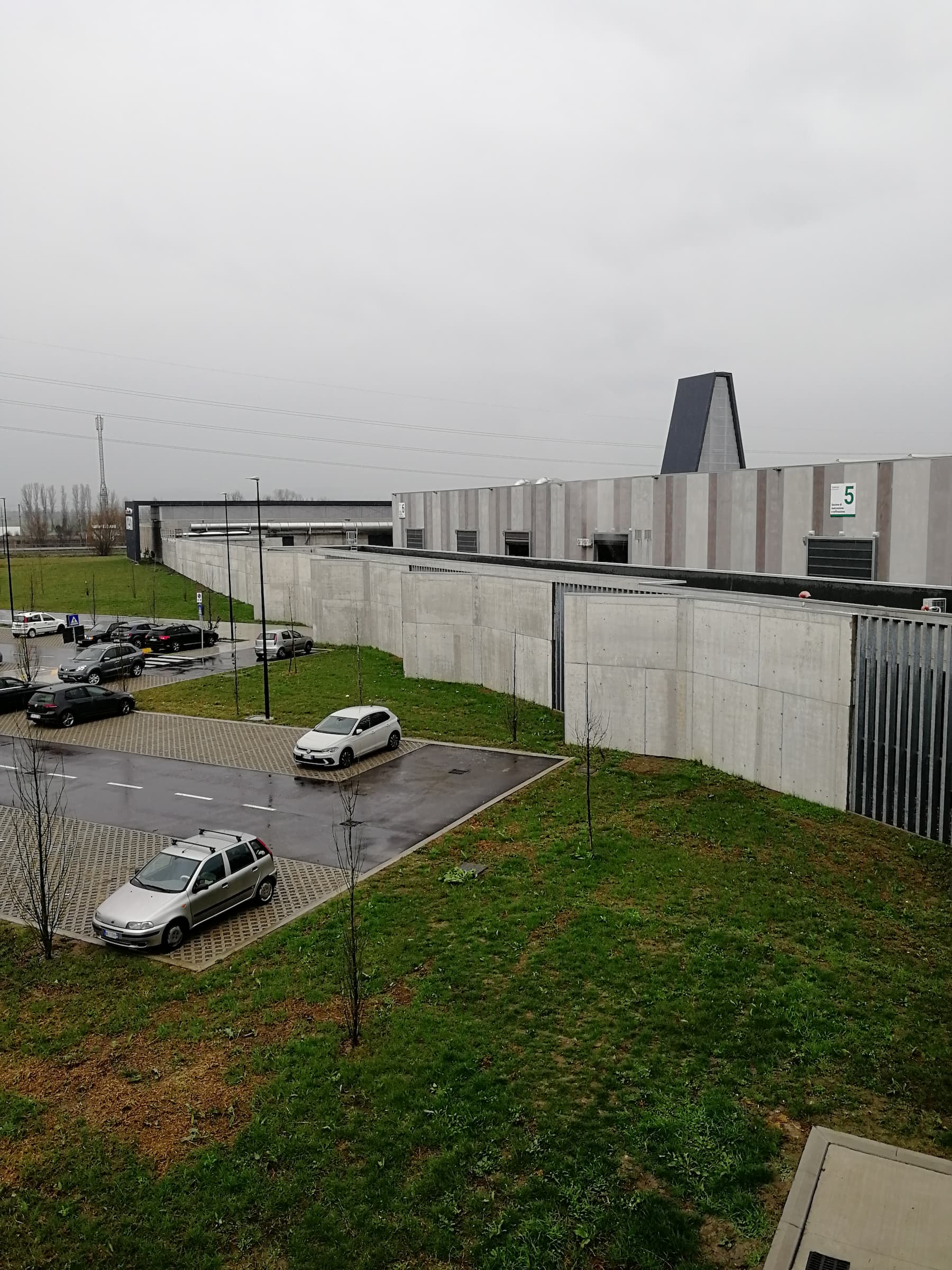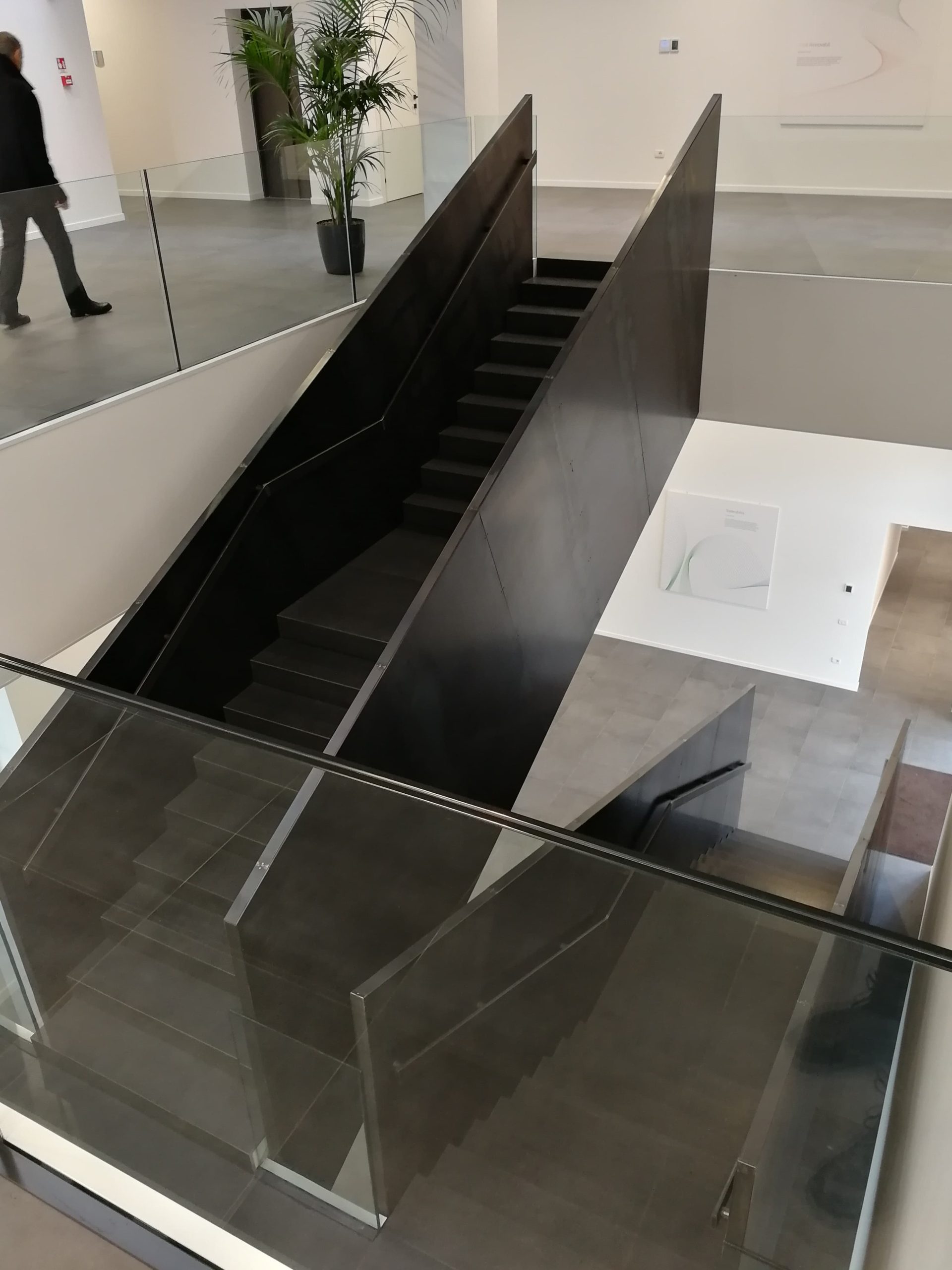

The project was developed following the award of a negotiated procedure for the assignment of the design contract, acting as designers appointed by the companies in the RTI (Temporary Grouping of Companies) CAMAR, CONSIP, and Calabra Maceri, starting from the definitive project and the PAUR (Regional Unified Environmental Provision) drafted by IREN. The intervention is part of IREN Ambiente’s strategy oriented towards circular economy principles, with the aim of transforming the organic fraction of municipal waste and the green vegetable fraction — clippings and prunings from separate collection — into valuable resources: quality compost, biomethane fed into the grid, and food-grade CO2 intended for industrial and food uses.
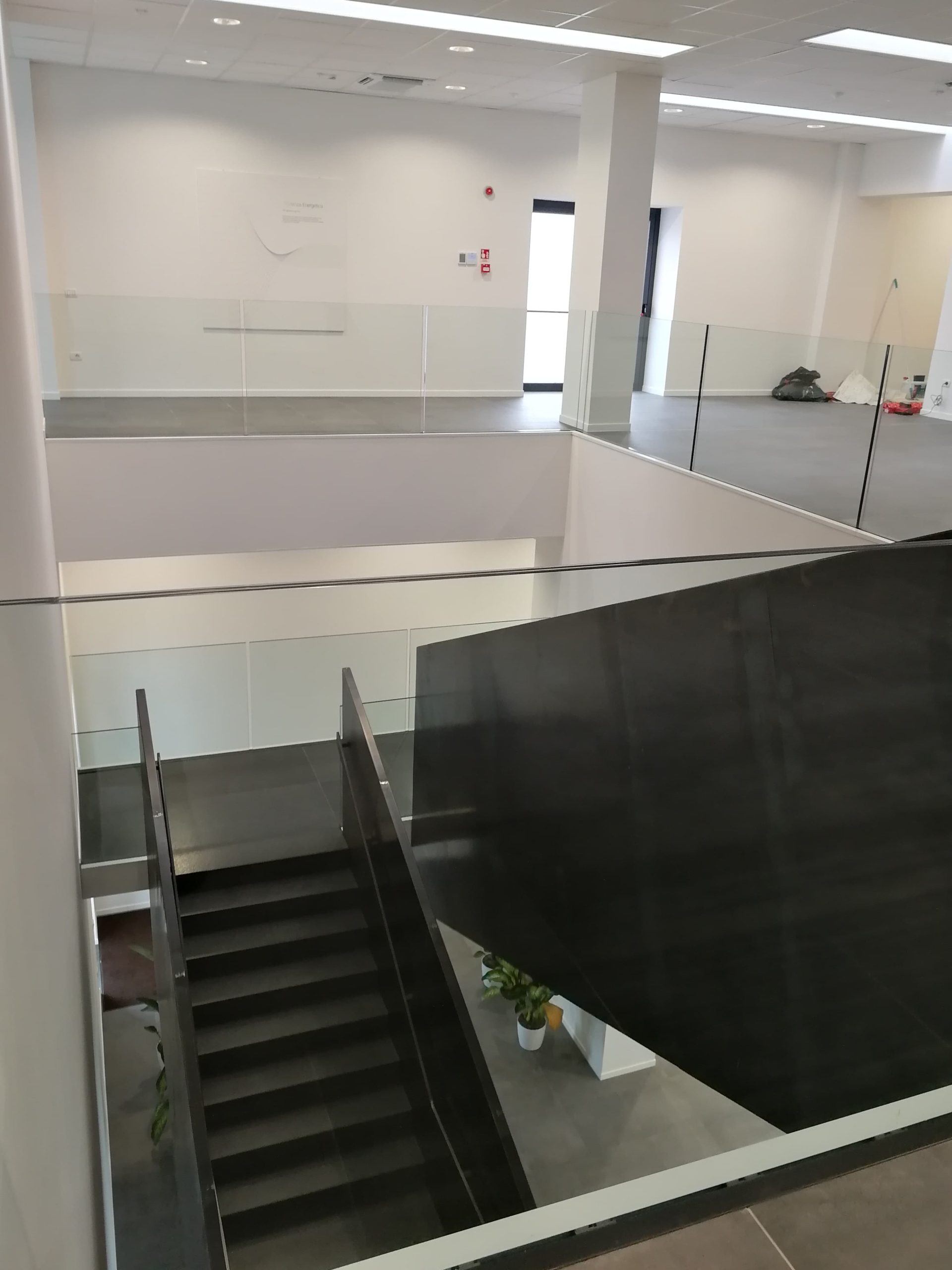
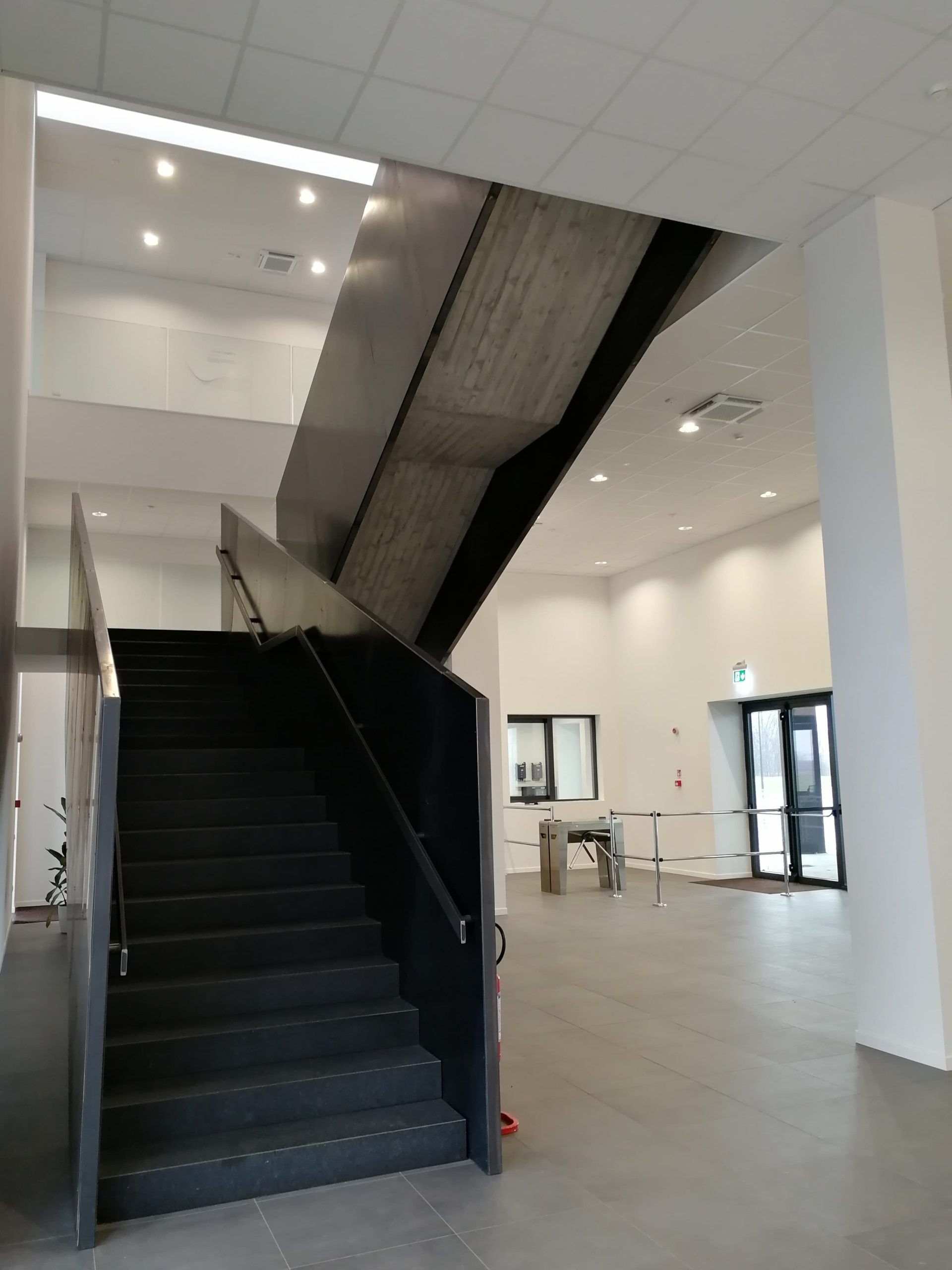
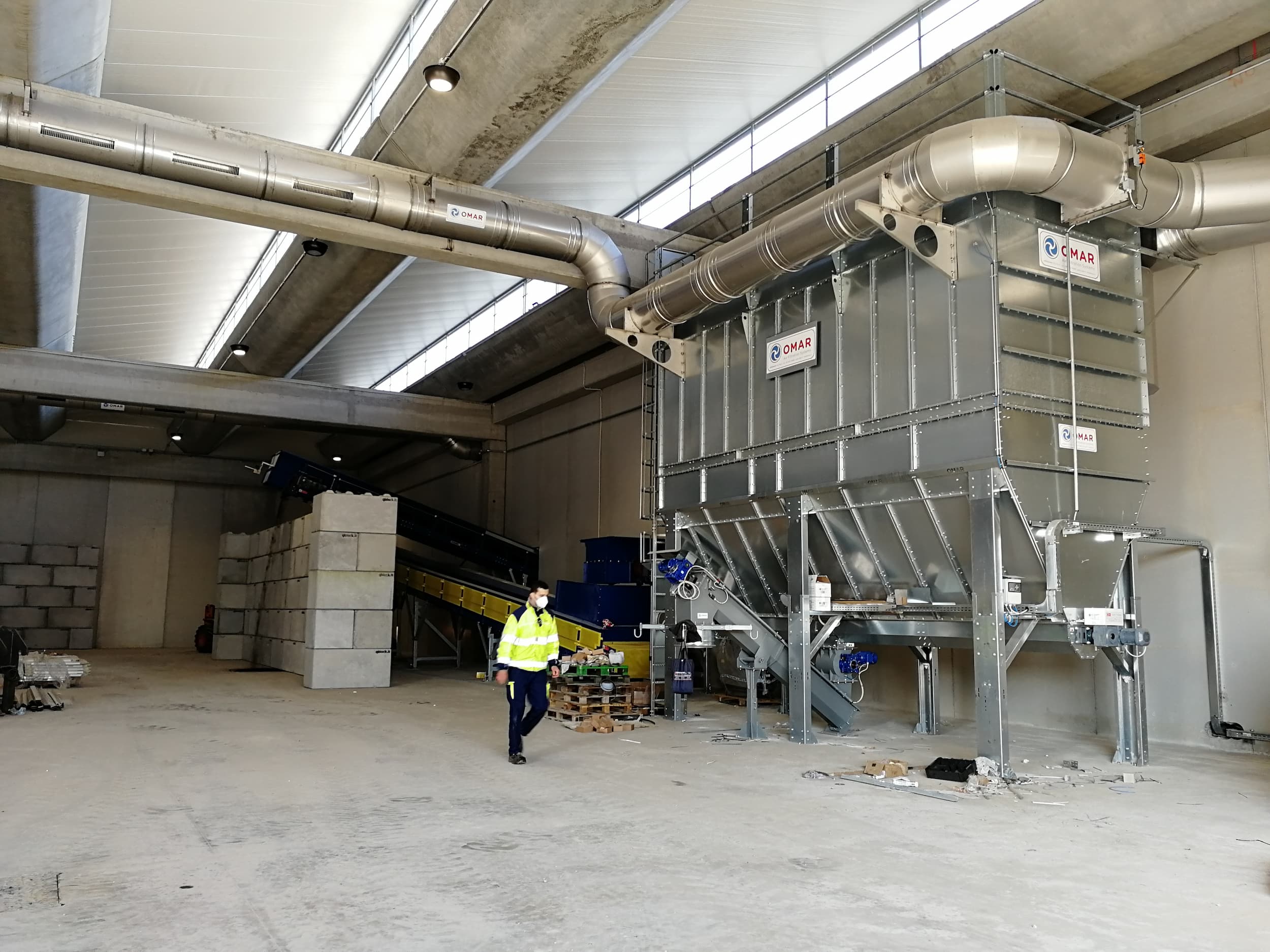
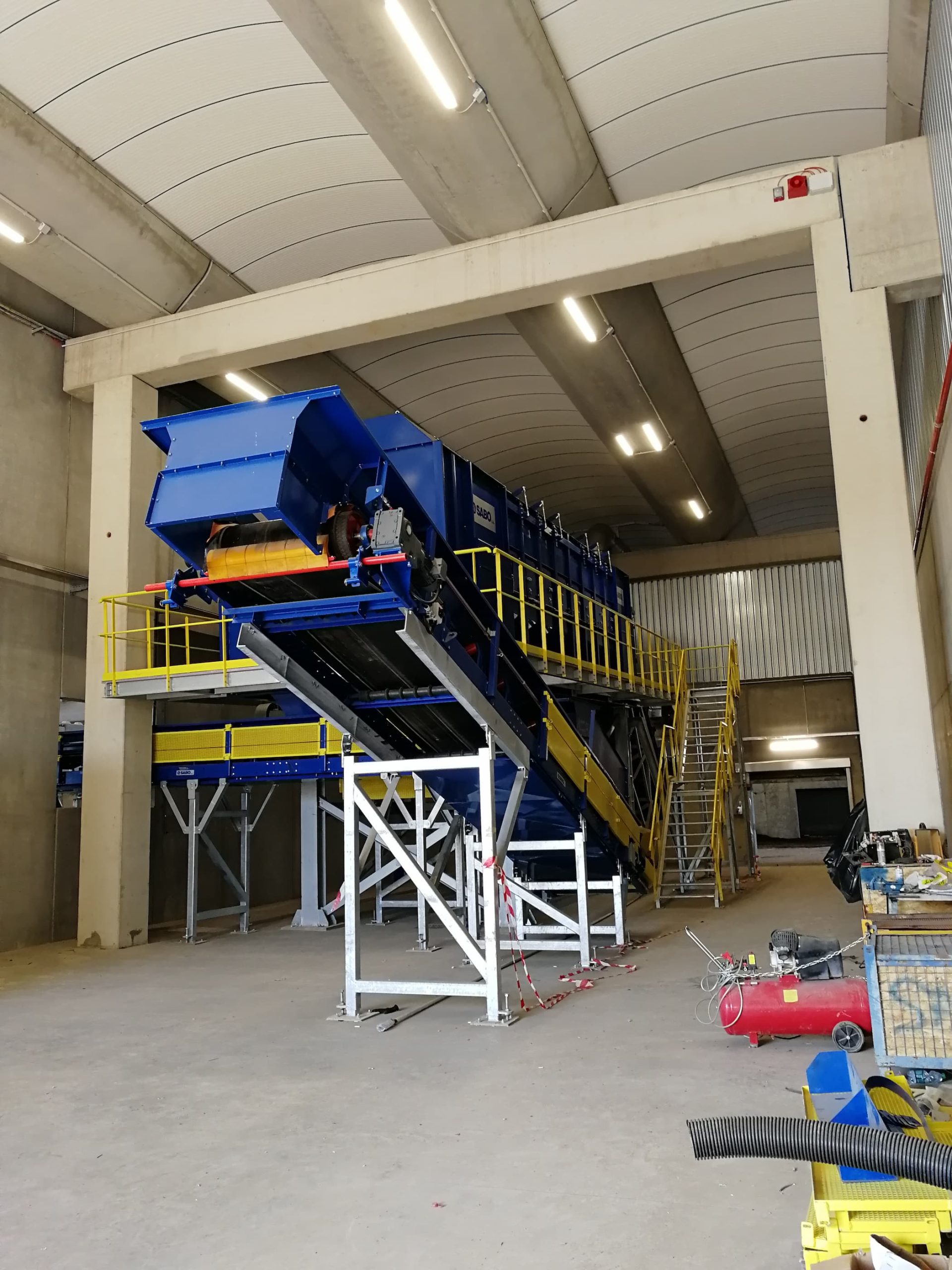
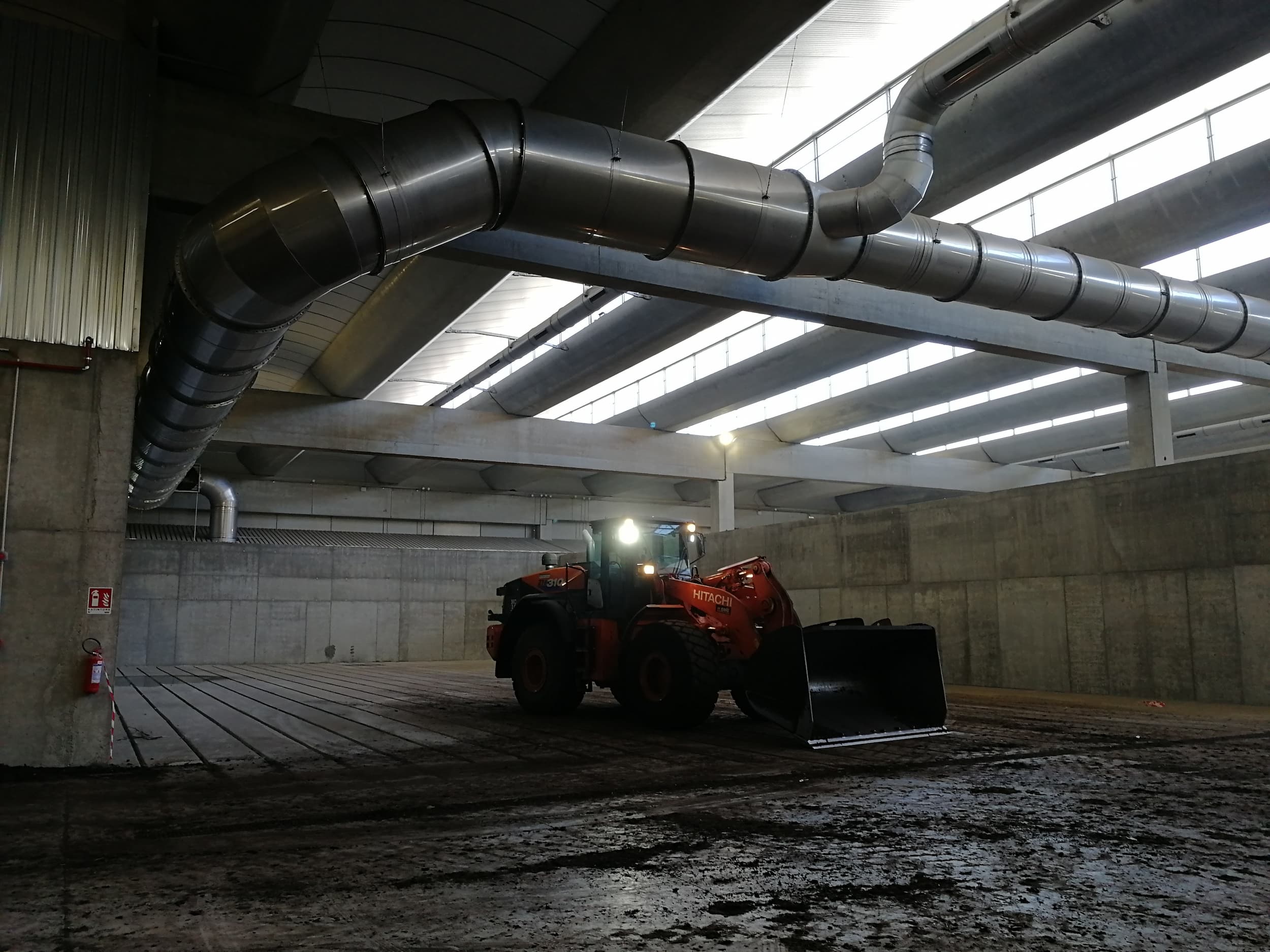
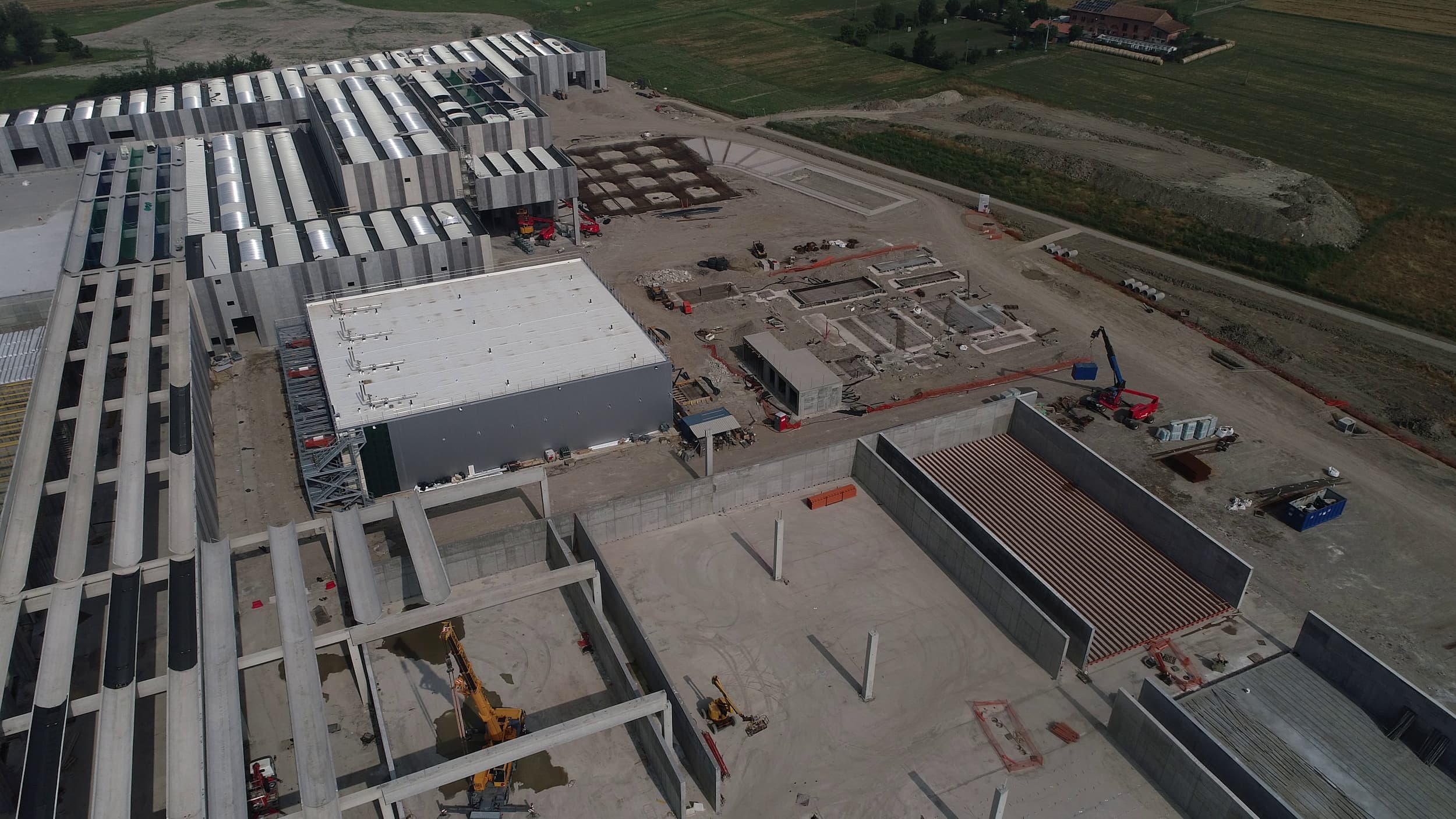
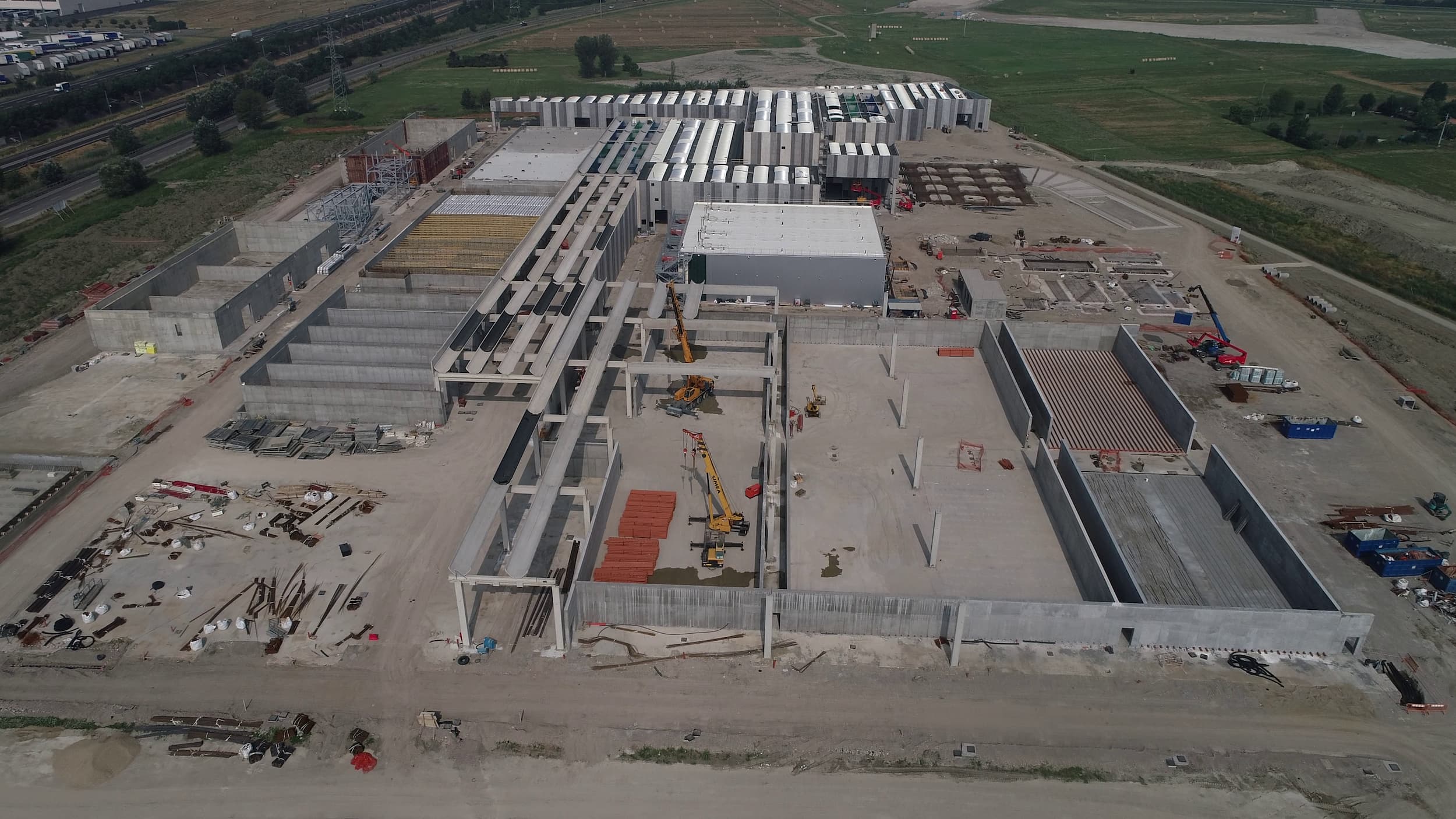
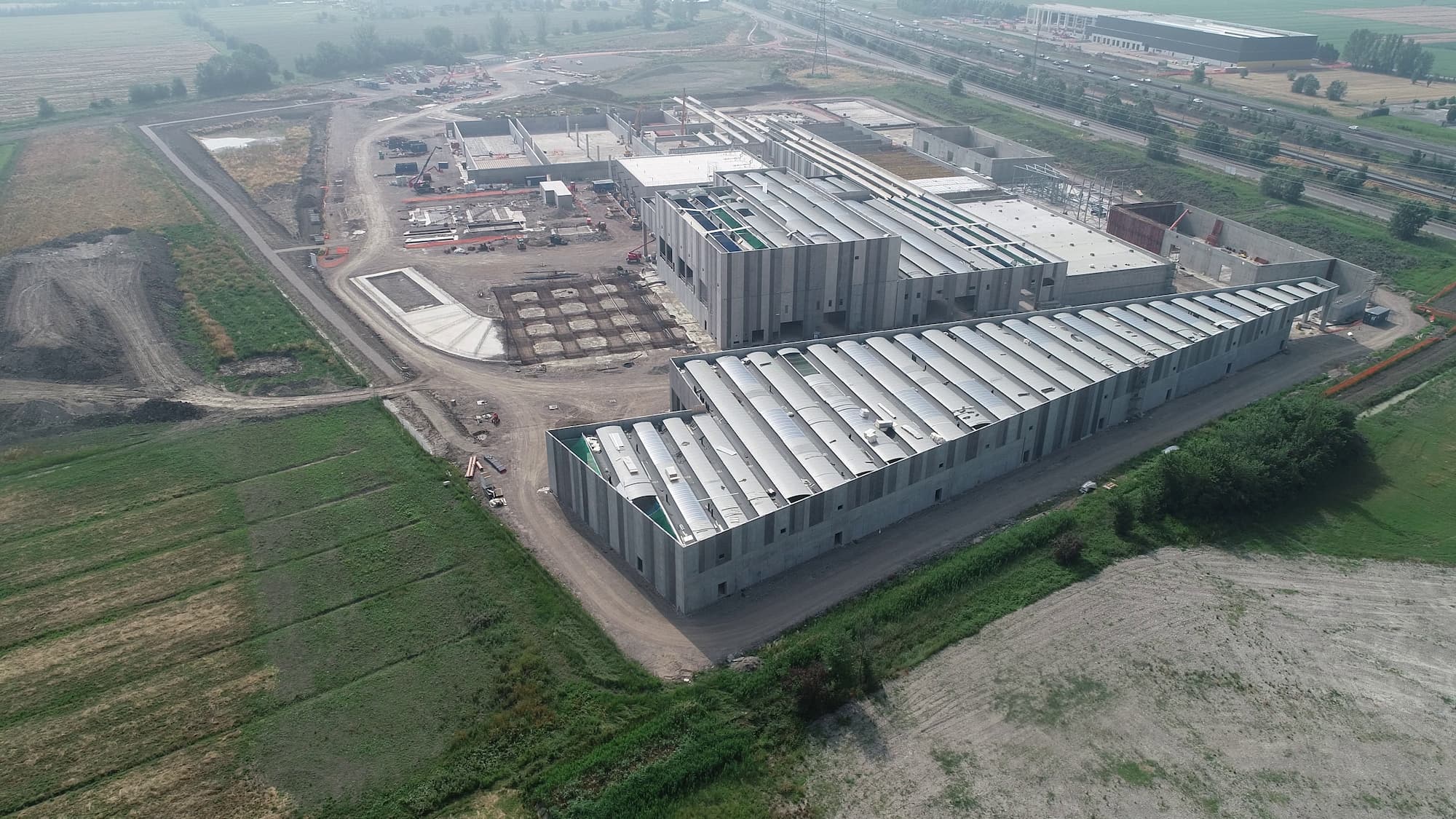
The plant, sized for the treatment of 100,000 tons per year of O.F.M.S.W. and 67,000 tons per year of lignocellulosic waste, is organized into a complete production cycle including sections for reception, pretreatment, anaerobic digestion, accelerated bio-oxidation, maturation and refining, storage of mixed composted soil conditioner, air treatment, and biogas recovery, integrated with service areas, offices, changing rooms, security, and an educational and demonstration space. On the energy and environmental front, the plant is powered by 500 kW of photovoltaic panels, and the intervention included the planting of 600 trees and 1,500 shrubs across the 17 hectares of the affected area. The lot, located in an agricultural area close to the TAV (High-Speed Train) infrastructure and the A1 motorway, required particular attention to landscape integration, combining the functional needs of the plant with high-quality architectural design, consistent with the building’s role as a representative reference for IREN’s sustainability policies. The results achieved confirm the success of the integrated approach adopted: the correct execution of the executive design allowed the client to reach the set standards, with an annual production of 9 million cubic meters of biomethane, 53,000 tons of quality compost, and 10,000 tons of liquid CO2 for industrial and food uses.